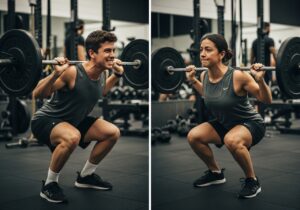
Starting your fitness journey the right way means setting clear goals, beginning with simple exercises, staying consistent, and focusing on proper nutrition and recovery. You don’t need a gym or advanced knowledge—just a structured plan and commitment.
Introduction
Starting a fitness journey can feel overwhelming. With so much information online, many beginners don’t know where to start, what exercises to do, or how to stay consistent. The truth is, fitness doesn’t have to be complicated.
If you start the right way, you can avoid injuries, stay motivated, and see results faster. This beginner’s guide to fitness will walk you through everything you need to know—from setting goals to building your first workout routine—so you can begin with confidence and clarity.
Why Fitness Matters for Beginners
Fitness is not just about building muscles or losing weight. It’s about improving your overall quality of life.
Key benefits include:
- Increased energy levels
- Better mental health
- Improved strength and endurance
- Reduced risk of diseases
- Better sleep and mood
Starting early and building healthy habits can transform your life long-term.
Step 1: Set Clear and Realistic Goals
Before you start, ask yourself: What do I want to achieve?
Examples of realistic goals:
- Lose 5 kg in 2–3 months
- Exercise 3 times per week
- Improve stamina
💡 Avoid unrealistic goals like “get fit in 1 week.”
Pro Tip:
Use the SMART method:
- Specific
- Measurable
- Achievable
- Relevant
- Time-bound
Step 2: Start Simple (Don’t Overcomplicate It)
Many beginners make the mistake of doing too much too soon.
Start with basic exercises like:
- Push-ups
- Squats
- Plank
- Walking or light jogging
These simple movements are enough to build a strong foundation.
Step 3: Create a Beginner Workout Plan
Here’s a simple weekly plan:
Day 1: Full Body
- Squats – 15 reps
- Push-ups – 10 reps
- Plank – 30 seconds
Day 2: Rest or Light Activity
Day 3: Cardio
- Walking or jogging – 20 minutes
Day 4: Rest
Day 5: Full Body
- Lunges – 10 each leg
- Mountain climbers – 20 reps
- Plank – 30 seconds
Day 6: Active Recovery
- Stretching or yoga
Day 7: Rest
Step 4: Focus on Proper Form
Doing exercises correctly is more important than doing many repetitions.
Why form matters:
- Prevents injuries
- Targets the right muscles
- Improves results
💡 If needed, start slowly and use mirrors or videos to correct your posture.
Step 5: Stay Consistent
Consistency is the secret to success in fitness.
- Start with 3 workouts per week
- Keep sessions short (20–30 minutes)
- Build the habit first, results will follow
Step 6: Don’t Ignore Nutrition
Exercise alone is not enough.
Basic nutrition tips:
- Eat more protein (eggs, chicken, fish)
- Drink enough water
- Reduce sugar and junk food
- Eat balanced meals
Step 7: Prioritize Rest and Recovery
Your body needs time to recover.
- Sleep 7–8 hours per night
- Take rest days seriously
- Avoid overtraining
Recovery is where progress happens.
Step 8: Track Your Progress
Tracking helps you stay motivated.
You can track:
- Weight
- Strength (reps)
- Body measurements
- Energy levels
Even small progress matters.

Common Beginner Mistakes to Avoid
- Doing too much too soon
- Skipping warm-up
- Ignoring nutrition
- Comparing yourself to others
- Giving up too early
Motivation Tips for Beginners
- Start small
- Celebrate small wins
- Follow a routine
- Find a workout partner
- Stay patient
Fitness is a long-term journey, not a quick fix.
FAQ (Frequently Asked Questions)
1. How long does it take to see results?
Usually 3–6 weeks with consistency.
2. Can I work out at home as a beginner?
Yes, home workouts are perfect for beginners.
3. Do I need supplements?
No, they are optional and not necessary at the start.
4. How often should beginners work out?
3–4 times per week is ideal.
5. What is the best time to work out?
Any time that fits your schedule.
Conclusion

Starting your fitness journey doesn’t have to be complicated. By setting clear goals, starting simple, staying consistent, and focusing on proper nutrition, you can build a strong foundation for long-term success.
Remember: the hardest part is starting—but once you do, everything becomes easier.