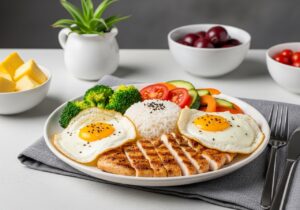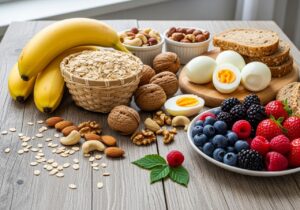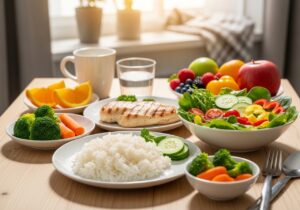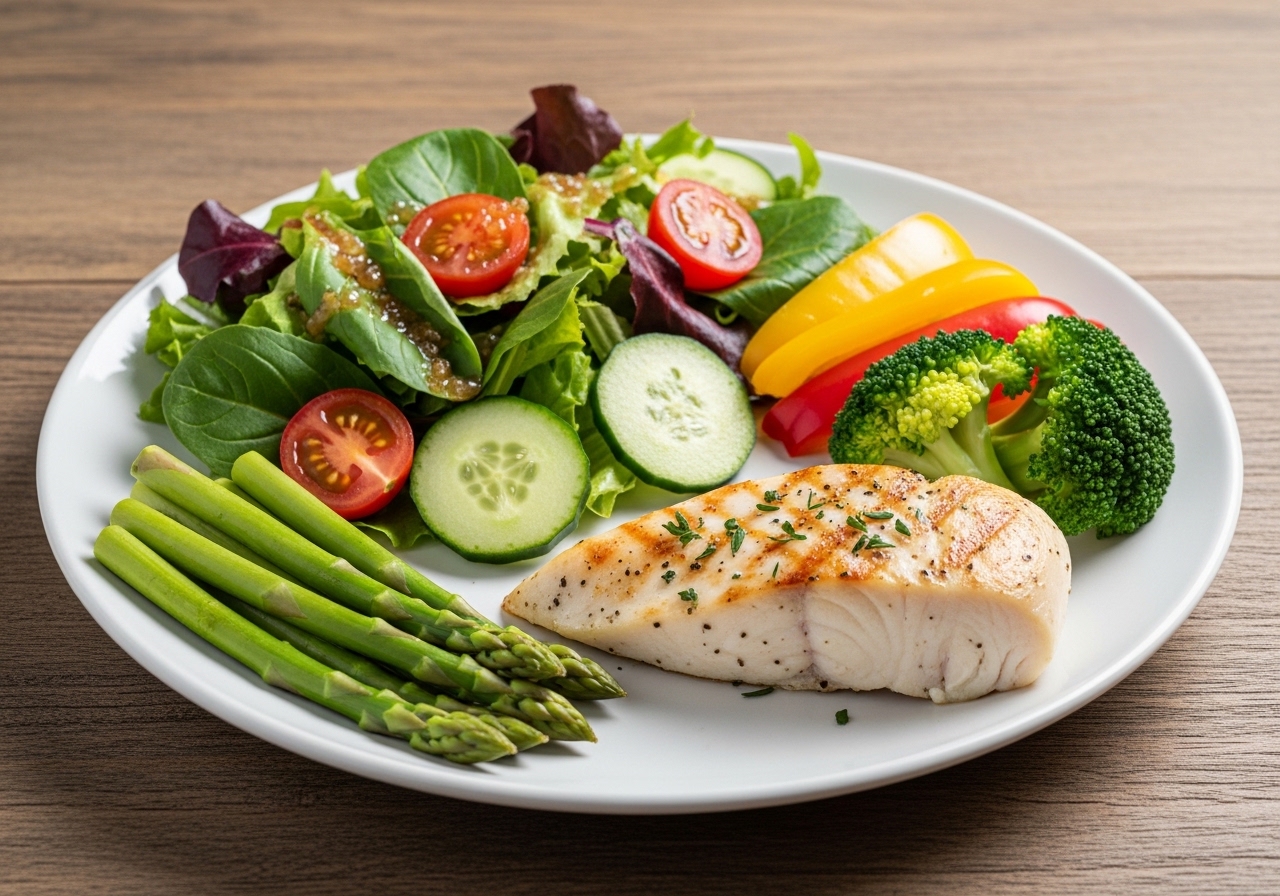
The best diet plan for fat loss is one you can stick to: maintain a small calorie deficit, prioritize protein, fill your plate with whole foods, control portions, and stay consistent. There’s no magic food that burns fat—your overall diet and habits determine results.
Introduction
If you’re trying to lose fat, you’ve probably seen dozens of diets promising fast results—keto, low-carb, detox plans, and more. The problem? Most of them are hard to maintain and don’t deliver long-term success.
Here’s the truth: fat loss doesn’t require extreme dieting—it requires a smart, sustainable plan.
In this guide, you’ll learn exactly what to eat, how to structure your meals, and how to build a diet plan that helps you burn fat faster while keeping your energy high.
1. Understand the Fat Loss Principle (Keep It Simple)
Fat loss comes down to one key idea:
- You must burn more calories than you consume
💡 A small deficit (300–500 calories per day) is enough for steady, sustainable fat loss.
2. Prioritize Protein (Your Fat Loss Ally)
Protein is essential when trying to lose fat.
Why it works:
- Keeps you full longer
- Reduces cravings
- Helps preserve muscle
Best protein sources:
- Eggs
- Chicken
- Fish
- Greek yogurt
- Beans and lentils
💡 Include protein in every meal.
3. Choose Whole Foods Over Processed Foods
Whole foods are more filling and nutritious.
Focus on:
- Vegetables
- Fruits
- Lean proteins
- Whole grains
Limit:
- Fast food
- Sugary snacks
- Soft drinks
💡 Whole foods make fat loss easier without strict dieting.
4. Control Your Portions
Even healthy foods can lead to fat gain if overeaten.
Simple plate method:
- 50% vegetables
- 25% protein
- 25% carbs
This keeps your meals balanced and controlled.
5. Eat Smart Carbohydrates
Carbs are not the enemy.
Good carb sources:
- Oats
- Rice
- Potatoes
- Whole grains
💡 Eat carbs around your workouts for better energy and performance.
6. Include Healthy Fats
Fats help with:
- Hormone balance
- Satiety
- Overall health
Healthy fat sources:
- Nuts
- Olive oil
- Avocado
💡 Keep portions moderate.
7. Stay Hydrated
Water plays a key role in fat loss.
Benefits:
- Reduces hunger
- Improves metabolism
- Supports digestion
💡 Aim for 2–3 liters per day.
8. Meal Timing (Keep It Flexible)
You don’t need strict meal timing.
Simple structure:
- 3 main meals
- 1–2 snacks if needed
💡 Consistency matters more than timing.
9. Avoid Extreme Dieting
Crash diets may give quick results but:
- Slow your metabolism
- Cause muscle loss
- Lead to rebound weight gain
💡 Slow and steady wins.
10. Stay Consistent (The Real Secret)
Fat loss is not about perfect days—it’s about consistent habits.
💡 Follow the 80/20 rule:
- 80% healthy eating
- 20% flexibility
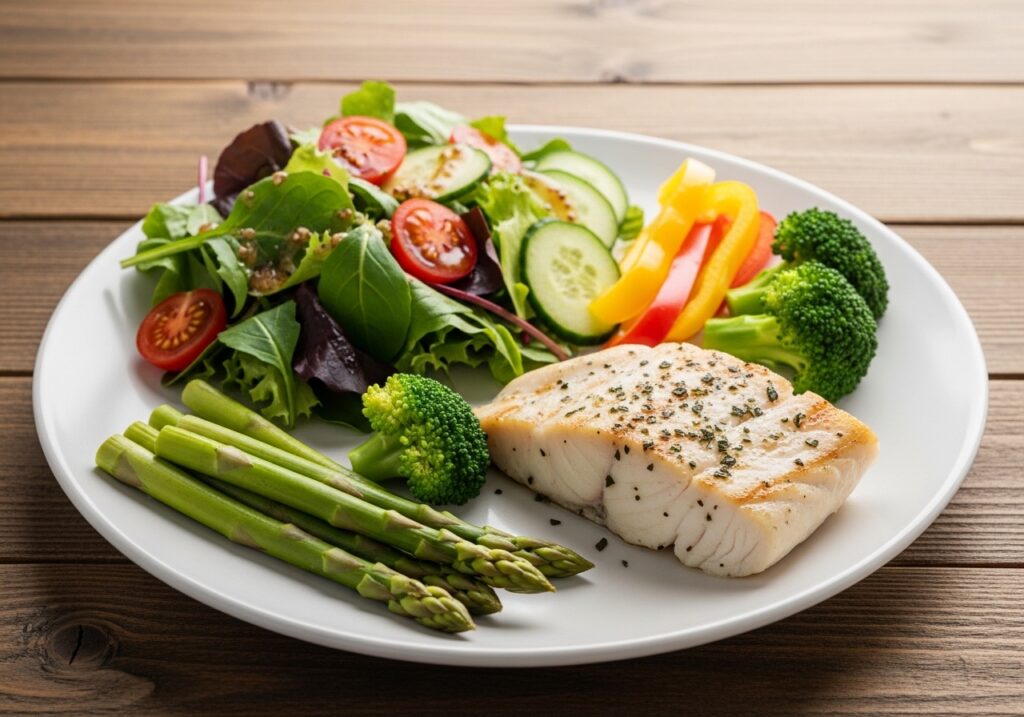
Sample Fat Loss Meal Plan
Breakfast:
- Eggs + oats + fruit
Lunch:
- Chicken + rice + vegetables
Snack:
- Yogurt or nuts
Dinner:
- Fish + vegetables + potatoes
Common Mistakes to Avoid
- Skipping meals
- Eating too little
- Cutting all carbs
- Not eating enough protein
- Being inconsistent
FAQ (Frequently Asked Questions)
1. What is the fastest way to lose fat?
A calorie deficit with proper nutrition and consistency.
2. Can I eat carbs and still lose fat?
Yes, as long as calories are controlled.
3. How many meals should I eat per day?
3–5 meals depending on your preference.
4. Do I need to count calories?
Not necessary for beginners, but helpful for accuracy.
5. How long does fat loss take?
Noticeable results usually appear in 3–6 weeks.
Conclusion
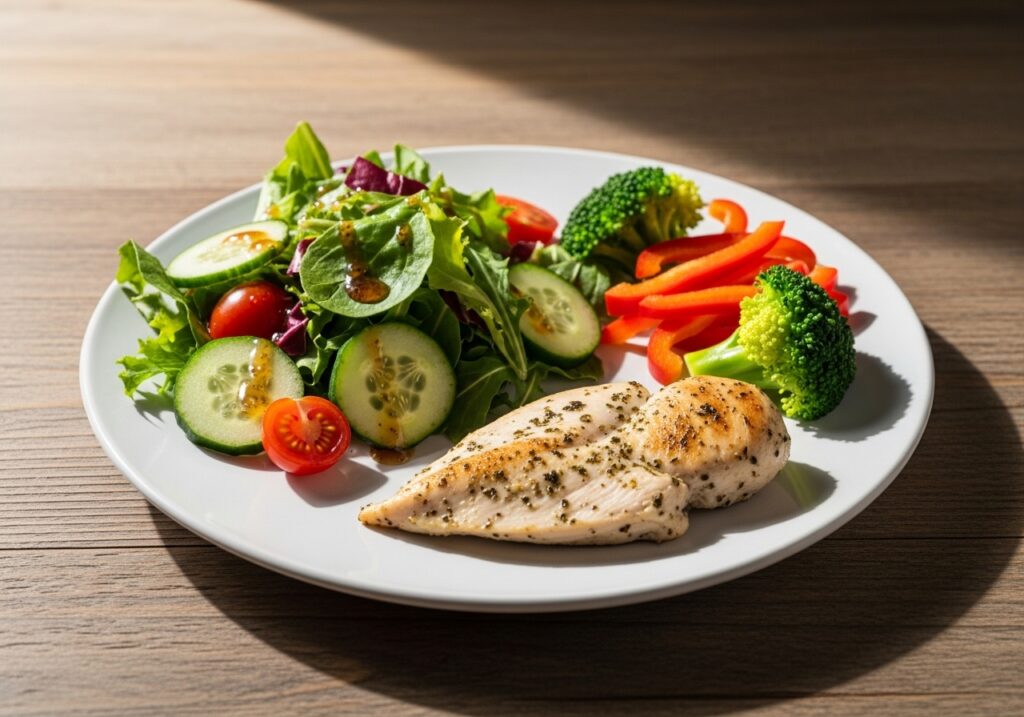
The best diet plan for fat loss is simple, balanced, and sustainable. Focus on whole foods, prioritize protein, control your portions, and stay consistent.
There are no shortcuts—but with the right plan, you can burn fat effectively and keep it off long-term.