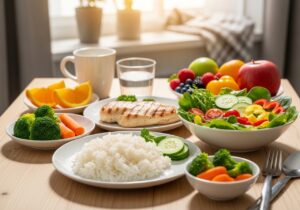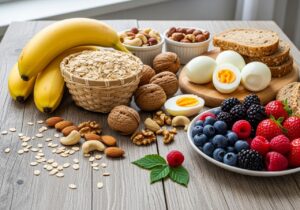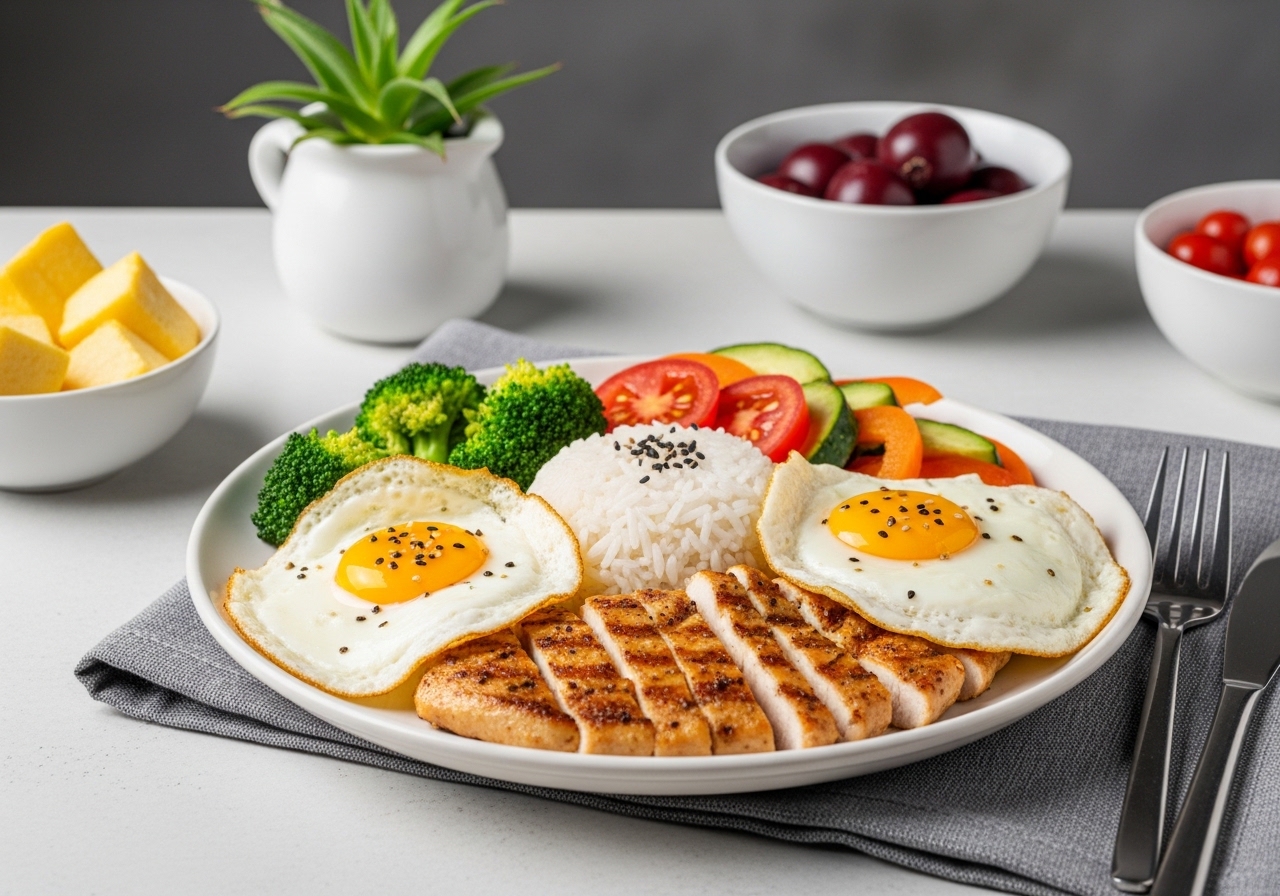
To build muscle effectively, you need a small calorie surplus, enough protein (about 1.6–2.2g per kg of body weight), balanced carbohydrates and fats, and proper meal timing. Focus on eating protein-rich meals throughout the day and combining carbs with protein before and after workouts.
Introduction
Many people think building muscle is all about lifting weights. But the truth is, your diet plays an equally important role. You can train hard every day, but without the right nutrition, your muscles won’t grow.
The good news? You don’t need a complicated meal plan.
With a few simple principles—what to eat and when to eat—you can maximize your muscle growth and see faster results. In this guide, you’ll learn exactly how to build muscle with the right diet.
Why Diet Is Essential for Muscle Growth
Muscle growth happens when:
- You train your muscles (stimulus)
- You feed your body properly (nutrition)
- You allow recovery (rest)
Without proper nutrition:
- Recovery slows down
- Muscle growth is limited
- Energy levels drop
💡 Think of food as the fuel for your progress.
1. Eat in a Calorie Surplus
To build muscle, your body needs extra energy.
What to do:
- Eat 200–400 calories above your daily needs
Why it matters:
- Supports muscle growth
- Improves recovery
- Increases strength
⚠️ Avoid overeating—it leads to fat gain.
2. Prioritize Protein Intake
Protein is the most important nutrient for building muscle.
Recommended intake:
- 1.6 to 2.2 grams per kg of body weight
Best protein sources:
- Chicken
- Eggs
- Fish
- Greek yogurt
- Beans and lentils
💡 Spread protein intake across your meals.
3. Don’t Ignore Carbohydrates
Carbs provide energy for workouts.
Why carbs matter:
- Fuel your training
- Help recovery
- Support muscle growth
Good carb sources:
- Rice
- Oats
- Potatoes
- Whole grains
💡 Eat carbs before and after workouts.
4. Include Healthy Fats
Fats are important for hormone production, including testosterone.
Healthy fat sources:
- Nuts
- Olive oil
- Avocado
- Seeds
💡 Keep fats balanced—not too high, not too low.
5. Meal Timing: When to Eat
🔹 Pre-Workout Meal (1–2 Hours Before)
- Protein + carbs
Example: chicken + rice or yogurt + banana
Benefits:
- Provides energy
- Improves performance
🔹 Post-Workout Meal (Within 1 Hour)
- Protein + carbs
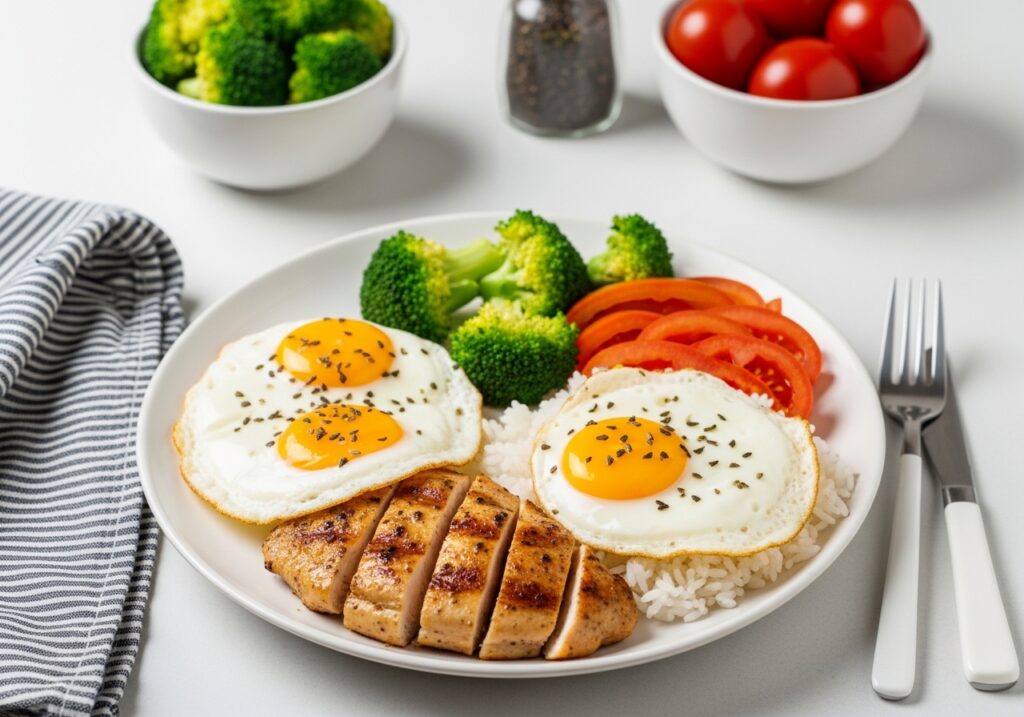
Example: eggs + toast or chicken + potatoes
Benefits:
- Speeds recovery
- Supports muscle growth
🔹 Before Bed
- Protein-rich meal
Example: yogurt or eggs
Benefits:
- Supports overnight recovery
6. Eat Frequently Enough
You don’t need to eat every hour.
Simple approach:
- 3 main meals
- 1–2 snacks
💡 Consistency matters more than meal frequency.
7. Stay Hydrated
Water is essential for:
- Muscle function
- Performance
- Recovery
💡 Aim for 2–3 liters per day.
8. Supplements (Optional Support)
Supplements are not required, but can help:
- Protein powder (if needed)
- Creatine (for strength)
- Multivitamins
💡 Food should always come first.
Sample Muscle-Building Meal Plan
Breakfast:
- Eggs + oats + fruit
Lunch:
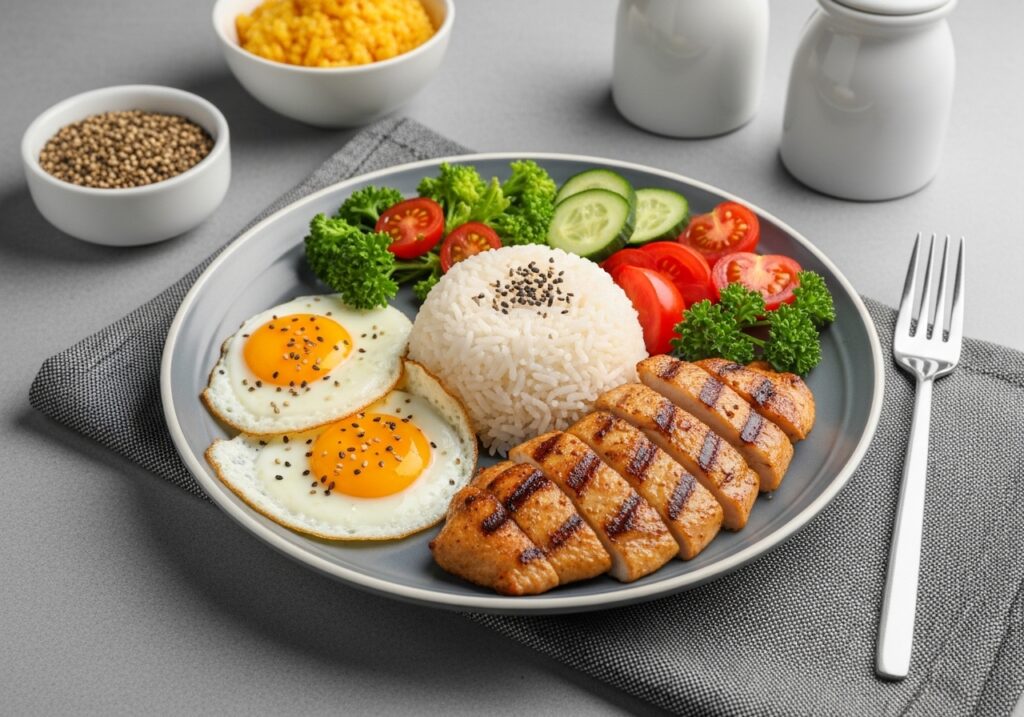
- Chicken + rice + vegetables
Snack:
- Yogurt + nuts
Dinner:
- Fish + potatoes + vegetables
Common Mistakes to Avoid
- Not eating enough calories
- Low protein intake
- Skipping post-workout meals
- Overcomplicating diet
- Inconsistency
FAQ (Frequently Asked Questions)
1. Can I build muscle without eating more?
It’s very difficult—you need a calorie surplus.
2. How much protein do I need daily?
1.6–2.2g per kg of body weight.
3. Should I eat immediately after a workout?
Yes, within 1–2 hours is ideal.
4. Do I need supplements?
No, they are optional.
5. How long does it take to see muscle growth?
Usually 4–8 weeks with consistency.
Conclusion
Building muscle is not just about lifting weights—it’s about fueling your body the right way. By eating enough calories, prioritizing protein, timing your meals properly, and staying consistent, you can significantly improve your results.
Keep it simple, stay consistent, and your body will respond.