Fitness nutrition for beginners is simple: eat mostly whole foods, prioritize protein, balance your carbs and fats, stay hydrated, and adjust your calorie intake based on your goal (fat loss or muscle gain). Consistency matters more than perfection.
Introduction
Starting your fitness journey can feel confusing—especially when it comes to nutrition. There’s so much advice online: low-carb, high-protein, fasting, meal plans… it’s easy to feel overwhelmed.
Here’s the truth: you don’t need a complicated diet to get results.
Fitness nutrition is about understanding a few key principles and applying them consistently. Whether your goal is to lose fat, build muscle, or simply feel healthier, this guide will give you everything you need to start the right way.
Why Nutrition Is the Foundation of Fitness
Exercise is important, but nutrition is what drives results.
Good nutrition helps you:
- Build muscle
- Burn fat
- Improve energy levels
- Recover faster
- Stay consistent
💡 Think of training as the trigger and nutrition as the fuel.
1. Understand Calories (Energy Balance Made Simple)
Calories are the energy your body uses daily.
- Fat loss: eat fewer calories than you burn
- Muscle gain: eat slightly more calories than you burn
- Maintenance: eat the same amount you burn
💡 You don’t need extreme changes—small adjustments work best.
2. Protein: The Most Important Nutrient
Protein plays a key role in muscle growth and recovery.
Benefits:
- Builds and repairs muscle
- Keeps you full longer
- Supports fat loss
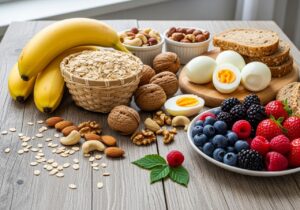
Best protein sources:
- Eggs
- Chicken
- Fish
- Yogurt
- Beans and lentils
💡 Aim to include protein in every meal.
3. Carbohydrates: Your Main Energy Source
Carbs are essential, especially if you train regularly.
Healthy carb options:
- Oats
- Rice
- Potatoes
- Whole grains
- Fruits
💡 Eat carbs around your workouts for better performance.
4. Healthy Fats: Don’t Avoid Them
Fats are important for hormones and overall health.
Good fat sources:
- Nuts
- Olive oil
- Avocado
- Seeds
💡 Balance is key—don’t overconsume, but don’t eliminate them either.
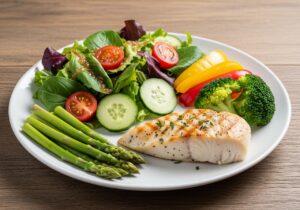
5. Build Balanced Meals Easily
Instead of counting everything, use this simple method:
- 50% vegetables
- 25% protein
- 25% carbs
This helps you eat healthy without stress.
6. Stay Hydrated
Water is often underestimated in fitness.
Benefits:
- Improves performance
- Helps digestion
- Reduces fatigue
💡 Aim for 2–3 liters daily.
7. Meal Timing (Keep It Simple)
You don’t need a strict schedule.
Basic guideline:
- Eat 3 main meals
- Add 1–2 snacks if needed
💡 Consistency matters more than timing.
8. Pre-Workout and Post-Workout Nutrition
Before workout:
- Light meal with carbs + protein
- Example: banana + yogurt
After workout:
- Protein + carbs for recovery
- Example: chicken + rice

9. Supplements (Optional, Not Required)
You don’t need supplements to succeed.
Helpful but optional:
- Protein powder
- Creatine
- Multivitamins
💡 Focus on food first.
10. Common Nutrition Mistakes Beginners Make
- Following extreme diets
- Skipping meals
- Not eating enough protein
- Drinking too little water
- Being inconsistent
11. Simple Meal Plan for Beginners
Breakfast:
- Eggs + oats + fruit
Lunch:
- Chicken + rice + vegetables
Snack:
- Yogurt or nuts
Dinner:
- Fish + vegetables + potatoes
12. Consistency Over Perfection
The biggest secret in fitness nutrition is consistency.
💡 Follow the 80/20 rule:
- 80% healthy eating
- 20% flexibility
This makes your lifestyle sustainable.
FAQ (Frequently Asked Questions)
1. Do I need a strict diet to get results?
No, simple and consistent habits are enough.
2. Can I eat carbs and still lose fat?
Yes, if your calorie intake is controlled.
3. How many meals should I eat per day?
3–5 meals depending on your preference.
4. Are supplements necessary?
No, they are optional.
5. What is the most important nutrient?
Protein is the most important for fitness goals.
Conclusion
Fitness nutrition doesn’t have to be complicated. By focusing on the basics—calories, protein, balanced meals, and consistency—you can achieve your goals without stress.
Start simple, stay consistent, and build habits that last.