Healthy eating doesn’t have to be complicated. Focus on whole foods, eat enough protein, control portions, stay hydrated, and match your calorie intake with your goal (fat loss or muscle gain). Consistency matters more than perfection.
Introduction
When people start their fitness journey, they often believe that nutrition is the hardest part. Strict diets, complicated meal plans, and confusing advice make healthy eating feel overwhelming.
But here’s the truth: healthy eating is simple when you understand the basics.
You don’t need extreme diets or expensive foods. With a few easy habits, you can improve your energy, support your workouts, and reach your fitness goals faster.
In this guide, you’ll learn simple, practical nutrition tips that you can start applying today—without stress or confusion.
Why Nutrition Is Key for Fitness Goals
No matter your goal—fat loss, muscle gain, or better health—nutrition plays a major role.
Good nutrition helps you:
- Build and repair muscles
- Burn fat more efficiently
- Improve energy and focus
- Recover faster after workouts
💡 Remember: you can’t out-train a poor diet.
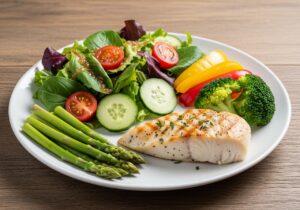
1. Focus on Whole Foods First
Whole foods are natural, minimally processed foods that provide real nutrients.
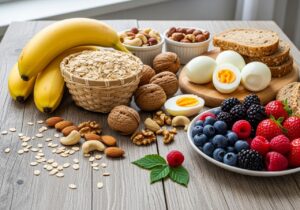
Examples of whole foods:
- Vegetables (broccoli, spinach, carrots)
- Fruits (apples, bananas, berries)
- Protein sources (chicken, eggs, fish)
- Healthy carbs (rice, oats, potatoes)
💡 Simple rule: 80% of your diet should come from whole foods.
2. Eat Enough Protein Every Day
Protein is essential for both fat loss and muscle gain.
Why protein matters:
- Helps build muscle
- Keeps you full longer
- Reduces cravings
Easy protein sources:
- Eggs
- Chicken breast
- Tuna
- Greek yogurt
- Beans and lentils
💡 Try to include protein in every meal.
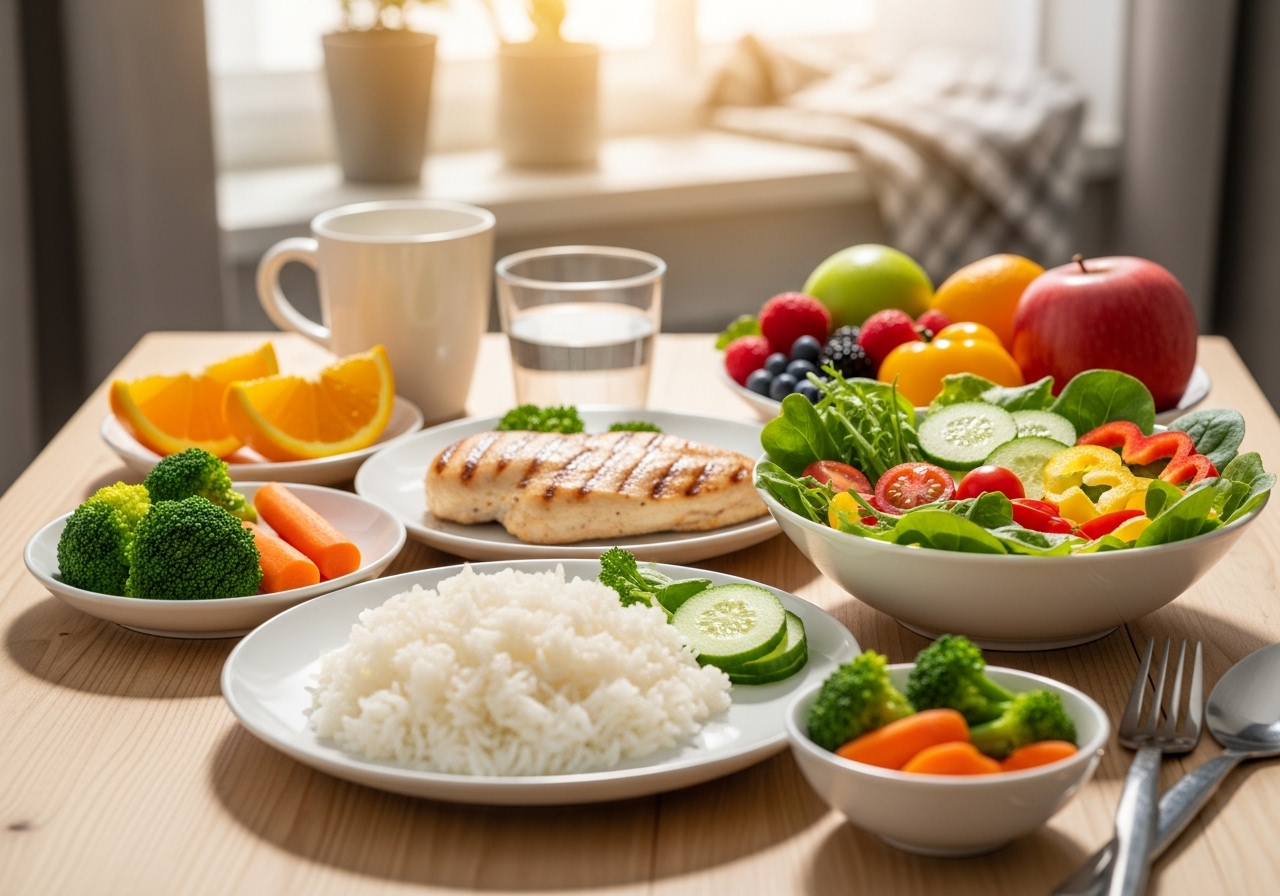
3. Keep Your Meals Balanced
A balanced meal is simple and effective.
Use this easy plate method:
- 50% vegetables
- 25% protein
- 25% carbohydrates
This ensures your body gets everything it needs without overthinking.
4. Don’t Fear Carbohydrates
Carbs are often misunderstood, but they are your body’s main energy source.
Good carbs include:
- Oats
- Rice
- Whole grains
- Potatoes
💡 Eat carbs especially before or after workouts to boost performance and recovery.
5. Drink More Water
Hydration is often ignored but extremely important.
Benefits of drinking water:
- Improves energy
- Supports digestion
- Helps control hunger
💡 Aim for 2–3 liters per day.
6. Reduce Sugar and Processed Foods
Highly processed foods can slow your progress.
Limit:
- Soft drinks
- Candy
- Fast food
- Packaged snacks
💡 You don’t need to cut them completely—just reduce them.
7. Understand Calories (Simple Version)
Calories are simply energy.
- To lose fat → eat fewer calories than you burn
- To gain muscle → eat slightly more calories than you burn
💡 Small adjustments are enough—no extreme dieting needed.
8. Don’t Skip Meals
Skipping meals may seem helpful, but it often leads to:
- Low energy
- Overeating later
- Poor workout performance
💡 Eat regularly and keep meals balanced.
9. Plan Your Meals Ahead
Planning makes healthy eating easier.
Simple daily structure:
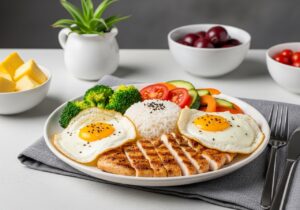
- Breakfast: protein + carbs
- Lunch: protein + vegetables + carbs
- Dinner: protein + vegetables
This removes guesswork and saves time.
10. Stay Consistent (Not Perfect)
Perfection is not the goal—consistency is.
💡 Follow the 80/20 rule:
- 80% healthy eating
- 20% flexibility
This makes your diet sustainable long-term.
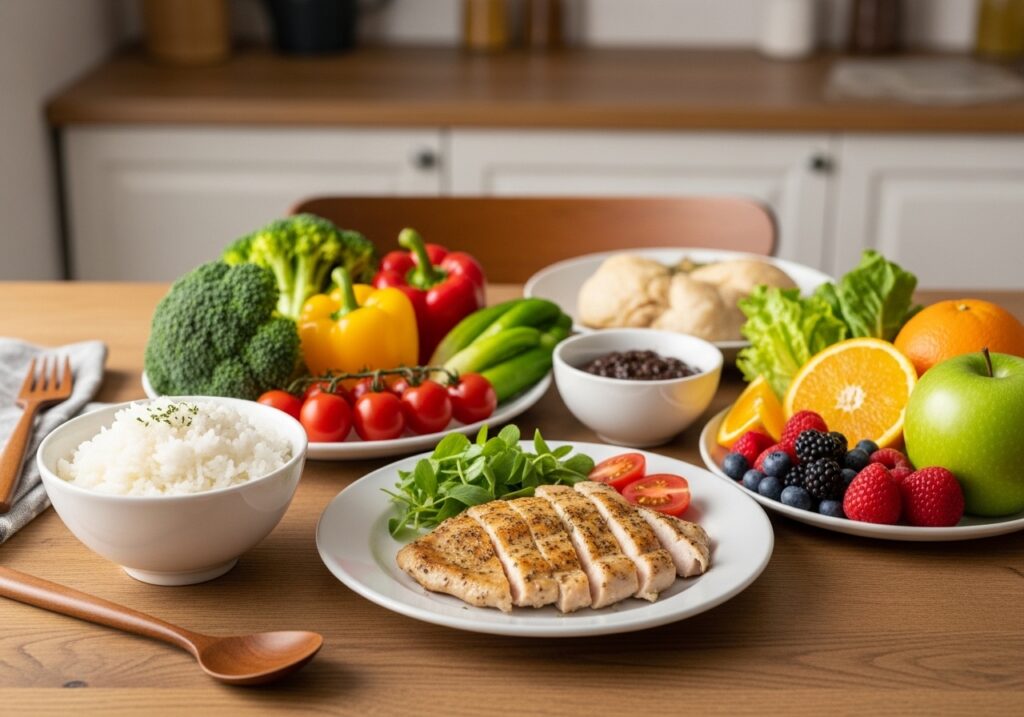
Sample Simple Day of Eating
Breakfast:
- Eggs + oats + fruit
Lunch:
- Chicken + rice + vegetables
Snack:
- Yogurt or nuts
Dinner:
- Fish + vegetables + potatoes
Common Nutrition Mistakes to Avoid
- Following extreme diets
- Cutting entire food groups
- Not eating enough protein
- Drinking too little water
- Being inconsistent
FAQ (Frequently Asked Questions)
1. Do I need a strict diet to reach my fitness goals?
No, a balanced and consistent approach works better.
2. Can I eat carbs and still lose weight?
Yes, as long as your total calories are controlled.
3. How many meals should I eat per day?
3–5 meals depending on your preference.
4. Is counting calories necessary?
Not required for beginners, but helpful if you want precision.
5. What is the most important nutrition habit?
Eating enough protein consistently.
Conclusion
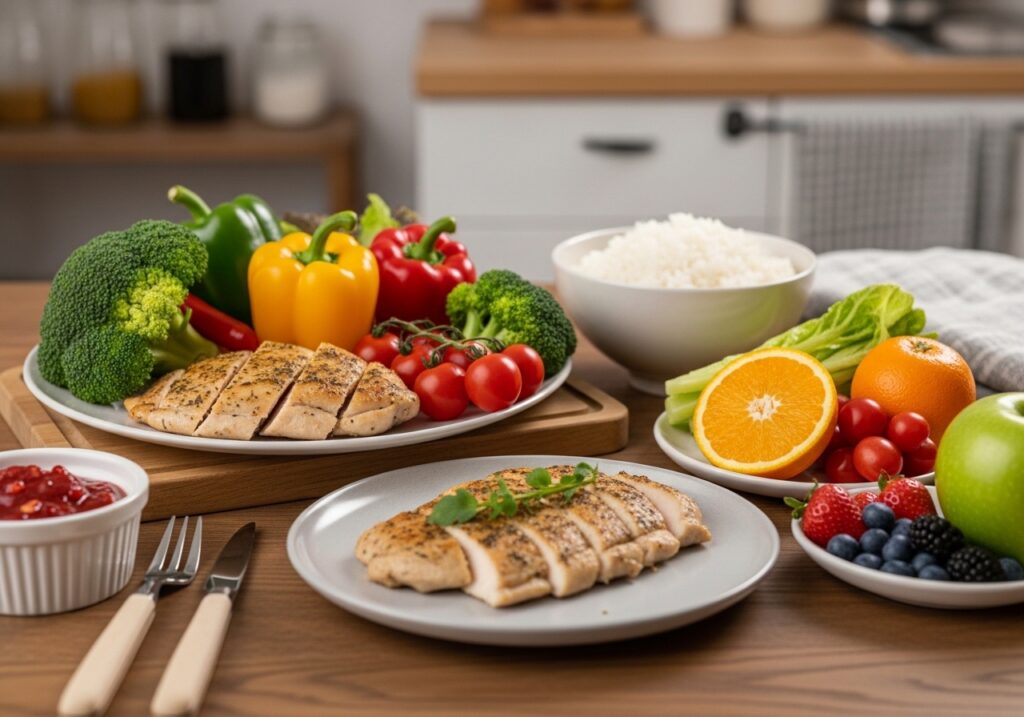
Healthy eating doesn’t have to be complicated or restrictive. By focusing on whole foods, balanced meals, proper hydration, and consistency, you can achieve your fitness goals without stress.
Start small, keep it simple, and build habits you can maintain for life.