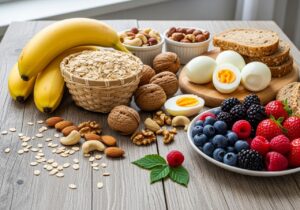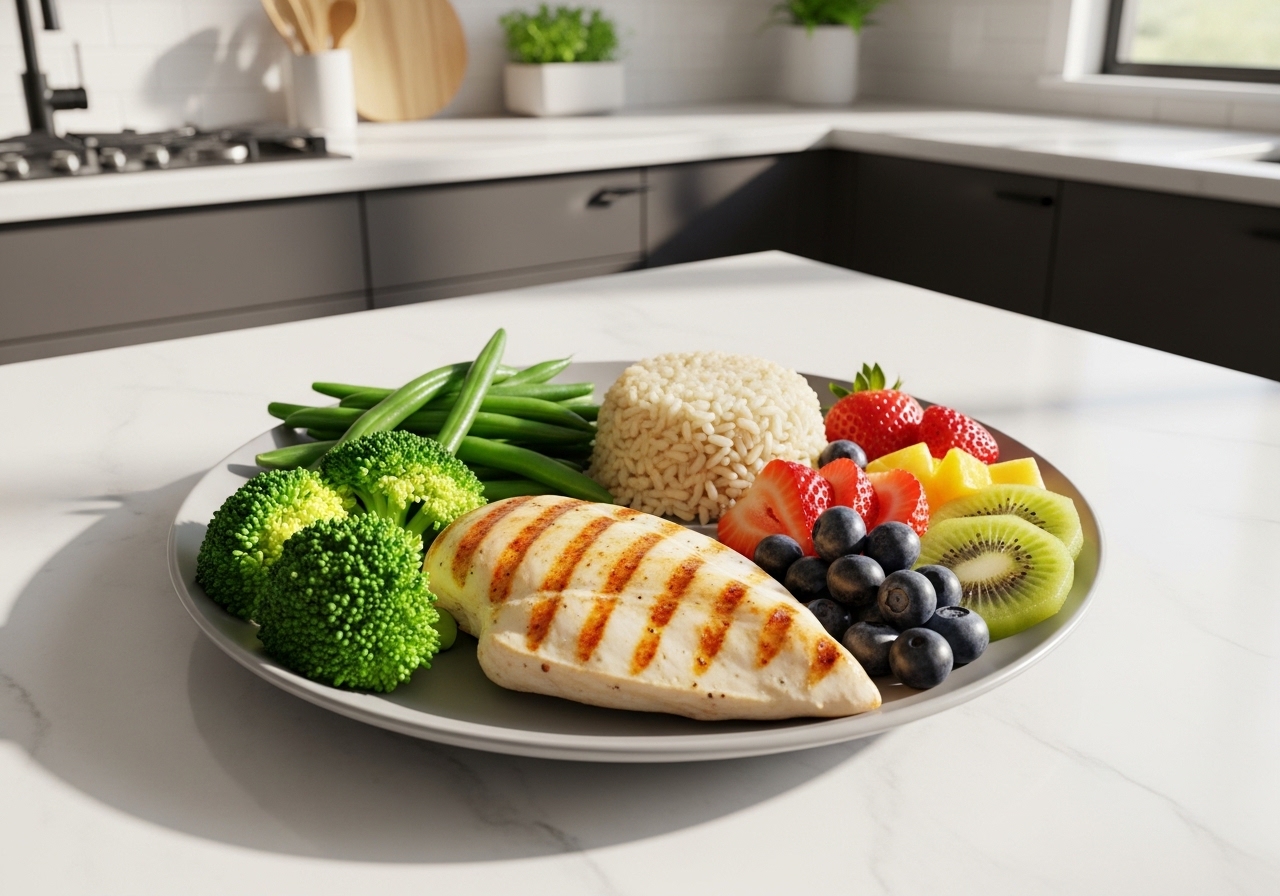
Healthy eating for fitness goals is simple: focus on whole foods, eat enough protein, control portions, drink water, and maintain a small calorie balance depending on whether you want to lose fat or build muscle. Consistency matters more than strict diets.
Introduction
Nutrition is one of the most important parts of any fitness journey, but it is also where most beginners get confused. Many people think healthy eating means strict diets, cutting everything they love, or following complicated meal plans.
The reality is much simpler.
Healthy eating is about balance, not restriction. If your goal is fat loss, muscle gain, or better energy, your nutrition habits will determine your results more than your workouts alone.
In this guide, you’ll learn easy, practical nutrition tips that actually work and are simple enough to follow every day.
1. Focus on Whole Foods (The 80% Rule)
Whole foods are natural, minimally processed foods that give your body real nutrients.
Examples:
- Fruits
- Vegetables
- Eggs
- Chicken
- Fish
- Rice
- Oats
💡 Rule: Try to make 80% of your diet whole foods.
2. Eat Enough Protein Every Day
Protein is essential for:
- Muscle building
- Fat loss
- Recovery
Good sources:
- Eggs
- Chicken
- Tuna
- Greek yogurt
- Beans and lentils
Simple target:
- Include protein in every meal
3. Control Your Portions (Not Just What You Eat)
Even healthy food can lead to weight gain if eaten in large amounts.
Easy method:
- Half plate vegetables
- Quarter protein
- Quarter carbs
This helps maintain balance without counting calories strictly.
4. Drink More Water
Hydration affects:
- Energy levels
- Digestion
- Workout performance
💡 Tip:
- Aim for 2–3 liters per day
Sometimes thirst is mistaken for hunger.
5. Reduce Sugar and Processed Foods
Excess sugar is linked to:
- Fat gain
- Energy crashes
- Poor recovery
Limit:
- Soft drinks
- Candy
- Fast food
💡 You don’t need to remove them completely—just reduce frequency.
6. Eat Carbs the Smart Way
Carbohydrates are not the enemy.
Best carb sources:
- Rice
- Oats
- Potatoes
- Whole grain bread
💡 Eat more carbs around workouts for better performance.
7. Don’t Skip Meals
Skipping meals can lead to:
- Low energy
- Overeating later
- Poor workout performance
💡 Eat 3 balanced meals per day (or 3–5 smaller meals if preferred).
8. Understand Calories (Simple Version)
Your body needs energy (calories) to function.
Fat Loss=Calories In<Calories Out\text{Fat Loss} = \text{Calories In} < \text{Calories Out}
Muscle Gain=Calories In>Calories Out\text{Muscle Gain} = \text{Calories In} > \text{Calories Out}
💡 You don’t need extreme diets—just small adjustments.
9. Plan Your Meals (Keep It Simple)
You don’t need a complicated meal plan.
Simple structure:
- Breakfast: Protein + carbs
- Lunch: Protein + vegetables + carbs
- Dinner: Protein + vegetables
10. Stay Consistent, Not Perfect
The biggest mistake is trying to be perfect for a few days, then quitting.
💡 Real progress comes from:
- 80% consistency
- Not perfection
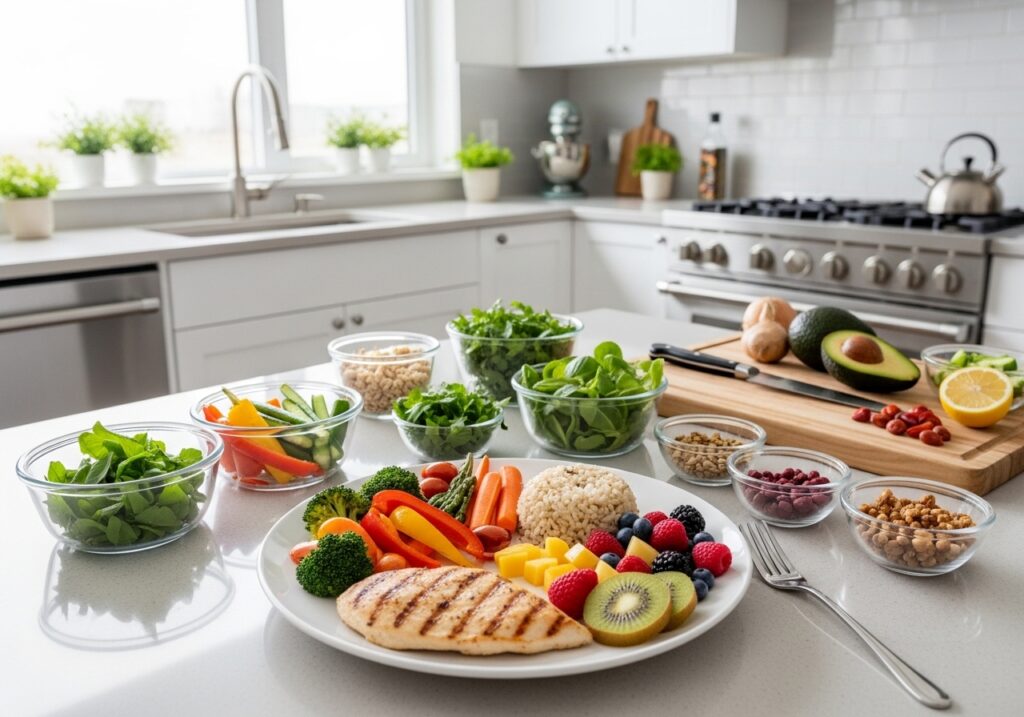
Sample Simple Day of Eating
Breakfast:
- Eggs + oats + fruit
Lunch:
- Chicken + rice + vegetables
Snack:
- Yogurt or nuts
Dinner:
- Fish + vegetables + potatoes
Common Mistakes in Healthy Eating
- Extreme dieting
- Cutting entire food groups
- Not eating enough protein
- Overthinking calories
- Inconsistency
FAQ (Frequently Asked Questions)
1. Do I need a strict diet for fitness goals?
No, balance and consistency are enough.
2. Can I eat carbs and still lose fat?
Yes, carbs are part of a healthy diet.
3. How many meals should I eat per day?
3–5 meals depending on your preference.
4. Is counting calories necessary?
Not required for beginners, but helpful for precision.
5. What is the most important nutrition habit?
Eating enough protein consistently.
Conclusion
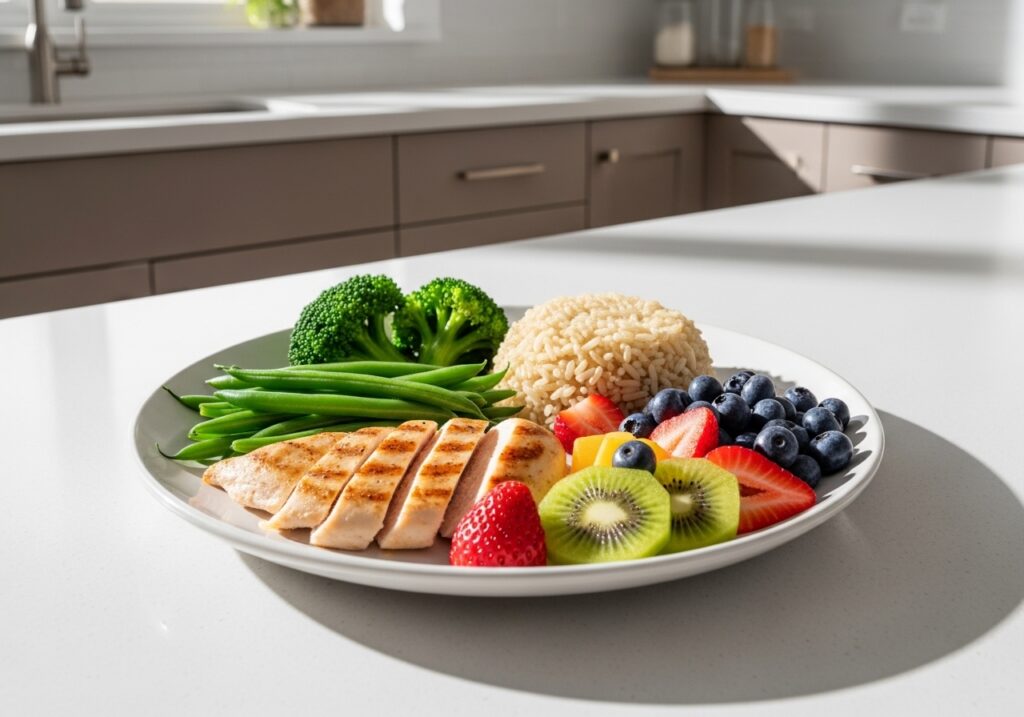
Healthy eating doesn’t need to be complicated. If you focus on whole foods, proper portions, enough protein, and consistency, you will see real improvements in your fitness goals.
Forget strict diets—build simple, sustainable habits instead.